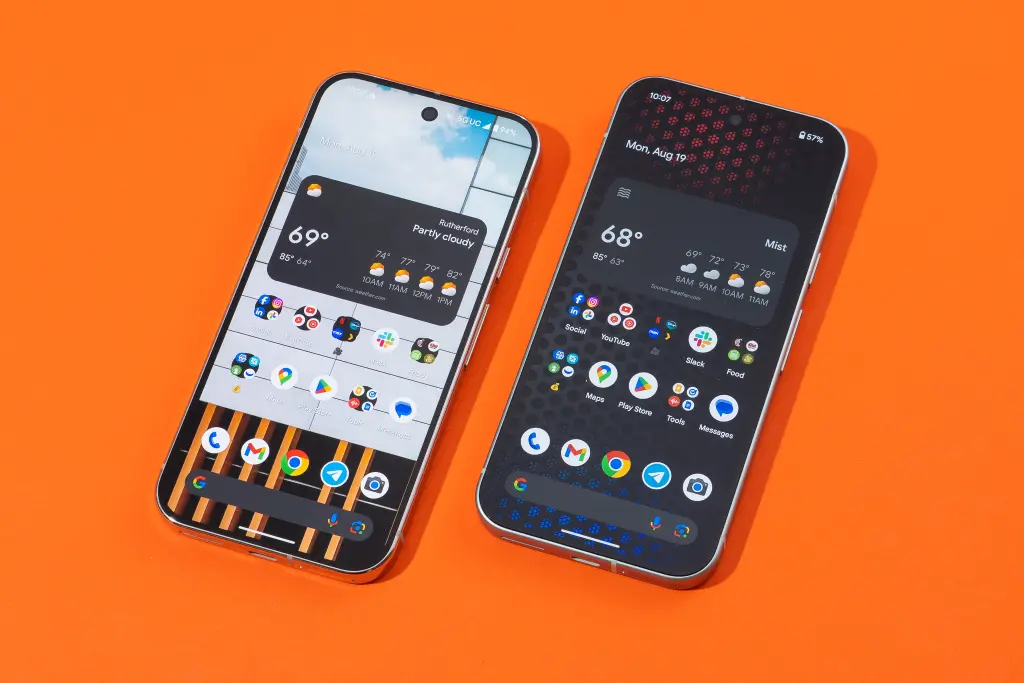
Introduction: A Revolution in Your Pocket
When Android first emerged in 2008, few could have predicted how profoundly it would shape the fabric of modern life. Today, Android is not merely an operating system; it is a sprawling ecosystem that touches billions of lives, from the latest foldable smartphones to smartwatches and IoT devices. This remarkable feat stems from a single vision: to democratise mobile technology through openness, adaptability, and relentless innovation.
The Genesis: Humble Origins, Bold Ambitions
Android’s story begins with a modest startup founded by Andy Rubin and a handful of engineers. The fledgling company set out to develop an advanced operating system for digital cameras but quickly pivoted when it recognised the explosive potential of mobile phones. In 2005, Google acquired Android Inc., nurturing the project with resources and vision.
The real watershed moment came in 2008 with the launch of the HTC Dream (T-Mobile G1) — the first commercial Android device. It was neither the sleekest nor the most refined gadget, but it heralded a new era where software would remain open-source, encouraging developers and manufacturers to innovate without constraint.
The Open-Source Advantage
One of Android’s greatest assets has always been its open-source foundation. Unlike Apple’s tightly controlled iOS, Android’s source code is freely available through the Android Open Source Project (AOSP). This openness has yielded myriad benefits:
-
Diversity of Devices: From affordable entry-level phones to high-end flagships, Android powers a vast spectrum of devices to suit every budget and need.
-
Customisation: Manufacturers can tailor the software experience, while tech-savvy users can tweak their devices with custom ROMs and launchers.
-
Developer Ecosystem: By lowering barriers to entry, Android has fostered a thriving community of developers, resulting in an endless stream of apps and innovations.
Yet, openness is not without its complications. Fragmentation — where multiple versions of Android coexist across devices — remains a persistent challenge. However, Google’s recent initiatives, such as Project Treble, aim to mitigate this by simplifying the update process for manufacturers.
Android’s User-Centric Philosophy
Android’s design philosophy has matured dramatically over the years. Early iterations were often critiqued for cluttered interfaces and inconsistent user experiences. Today, Android exemplifies a balance of functionality and elegance, with thoughtful design elements like Material You — a dynamic theming system that adapts to a user’s wallpaper and style preferences.
Key aspects of Android’s appeal include:
-
Customisation: Widgets, custom launchers, icon packs — Android puts personal expression at the forefront.
-
Choice of Hardware: Users can choose from a dizzying array of devices from Samsung, Google, OnePlus, Xiaomi, and countless others.
-
Integration: Seamless integration with Google’s ecosystem — from Gmail to Google Photos and Assistant — enhances daily productivity.
Moreover, Android is no longer confined to phones. Android Auto transforms vehicles into connected hubs; Wear OS powers smartwatches; Android TV redefines home entertainment. The operating system’s reach continues to expand in subtle yet significant ways.
Security and Privacy: A Necessary Evolution
For years, Android struggled with a reputation for being less secure than its rivals. However, recent developments have decisively turned that tide. Google Play Protect, monthly security patches, encrypted storage, and granular app permissions now safeguard millions of users worldwide.
Privacy, once an afterthought, is now integral. With Android 12 and beyond, Google has rolled out transparent indicators for microphone and camera use, a Privacy Dashboard, and tighter controls over location data. These changes reflect an industry-wide shift where users increasingly demand — and deserve — greater oversight of their personal information.
Challenges on the Horizon
No technology is without its imperfections, and Android is no exception. The sheer scale of its ecosystem makes uniformity elusive. Budget devices often lag behind on updates, leaving users vulnerable to exploits. Additionally, Android’s openness can be a double-edged sword — while it encourages innovation, it also opens doors to malicious actors distributing harmful apps outside the Play Store.
Google’s response has been multi-pronged: streamlining security updates, strengthening app vetting processes, and collaborating closely with hardware partners. Still, the battle for security and consistency is an ongoing one, demanding constant vigilance and adaptation.
A Playground for Innovation
Perhaps Android’s most compelling feature is its unrelenting capacity to evolve. Foldable screens, AI-driven voice assistants, augmented reality — Android provides the bedrock for experimentation. Google’s Pixel line, for instance, showcases the platform’s bleeding-edge capabilities, from advanced computational photography to AI call screening.
Meanwhile, brands like Samsung push boundaries with foldable form factors, redefining what a smartphone can be. This willingness to experiment — underpinned by Android’s flexibility — ensures the platform remains relevant in an industry where obsolescence is the only constant.
Looking Forward: Android’s Promising Future
As 5G, artificial intelligence, and the Internet of Things continue to mature, Android is uniquely poised to be the glue binding these technologies together. Initiatives like Android Automotive OS hint at a future where cars run natively on Android, integrating deeply with mobile devices and the cloud.
Moreover, Google’s growing emphasis on sustainability and longevity — such as longer update commitments for Pixel devices — signals a more responsible approach to technology. As consumers become more conscious of electronic waste and privacy, Android’s future will likely hinge on balancing innovation with ethical stewardship.
Conclusion: More Than Just an Operating System
Android’s journey from an ambitious startup project to the world’s most widespread mobile OS is a testament to the power of openness, community, and adaptability. It is not merely software running on billions of devices; it is an ever-evolving ecosystem that empowers individuals, fuels creativity, and bridges diverse cultures and economies.
As it continues to grow, Android reminds us that technology, at its best, should be an enabler — shaping not just how we communicate, but how we live, work, and dream. In the palm of our hands lies a universe of possibilities, all powered by a green robot that dared to change the world.
