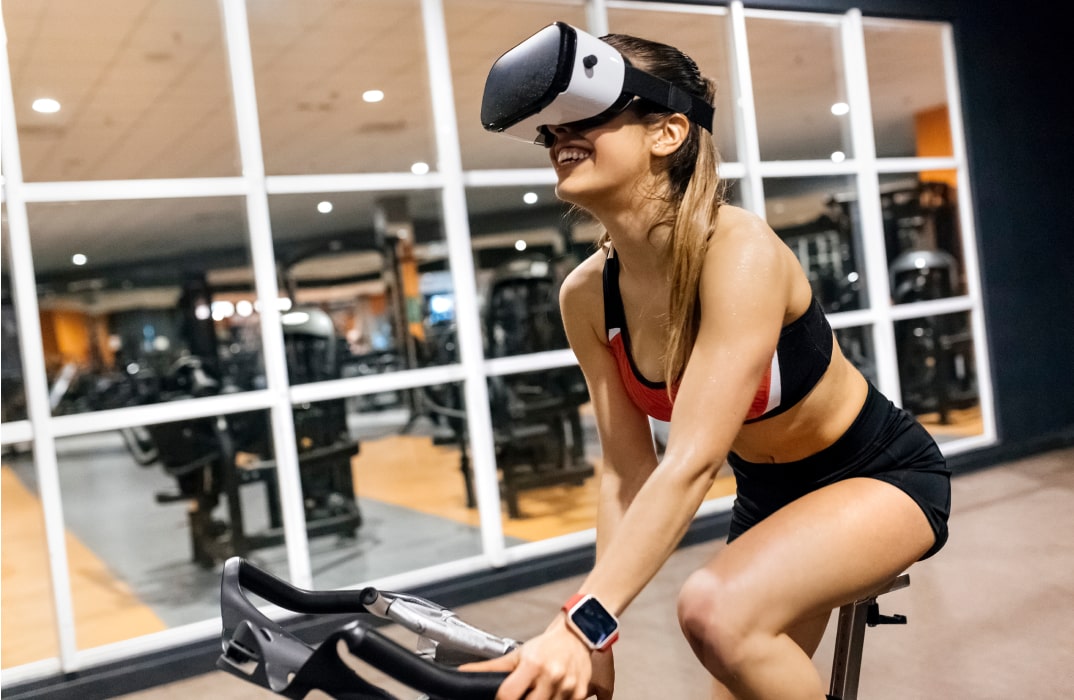
Fitness has evolved beyond treadmills and dumbbells. Today, technology has revolutionised how people track, analyse, and improve their performance. From smartwatches that record your heart rate to apps that tailor workouts to your recovery levels, modern fitness is becoming data-driven, efficient, and deeply personal.
A structured gym fitness program that integrates wearable devices and smart tools can take your aerobic training to a higher level of precision and consistency. Whether you are a beginner looking to build endurance or an athlete fine-tuning performance, technology can help you understand your body, avoid injuries, and maintain motivation.
The Role of Data in Modern Fitness
Gone are the days when people simply counted steps or minutes. Fitness tracking today is about interpreting patterns and insights. Devices such as smartwatches, heart rate monitors, and mobile apps allow users to measure progress beyond surface-level statistics.
By analysing metrics such as heart rate zones, calorie burn, and recovery times, technology provides clarity on how effectively you are exercising. This ensures that every session in your gym fitness program contributes meaningfully to your health goals.
Key metrics worth tracking:
-
Heart rate: Helps determine workout intensity and cardiovascular conditioning.
-
Calories burned: Monitors energy expenditure for effective weight management.
-
VO2 max: Measures aerobic capacity, indicating how efficiently your body uses oxygen.
-
Sleep quality: Affects recovery and readiness for the next session.
-
Stress levels: Helps identify when rest or lighter workouts are needed.
Understanding these numbers gives you control over your progress rather than leaving results to guesswork.
Why Aerobics and Technology Work Perfectly Together
Aerobic workouts are rhythmic and sustained, making them ideal for continuous data tracking. They provide consistent metrics for devices to measure and analyse in real time. For example, when you perform a step aerobics or dance cardio session, your smartwatch tracks heart rate fluctuations, step count, and energy expenditure without interruptions.
This feedback helps you maintain the right intensity throughout the session. If your heart rate dips too low, you know to push a little harder. If it rises too quickly, you can slow down to stay within a safe zone. Over time, this creates a smarter, safer, and more personalised training experience.
Key advantages of using tech with aerobics:
-
Real-time heart rate feedback prevents overexertion.
-
Tracking patterns builds accountability and consistency.
-
Data insights highlight progress that might not be visible physically.
-
Wearables motivate users through goal setting and reminders.
Combining aerobic routines with smart monitoring helps optimise cardiovascular efficiency and endurance without risking fatigue.
Heart Rate Zones: The Foundation of Smart Aerobic Training
One of the most effective ways to optimise aerobic workouts is through heart rate zone training. Most wearable devices automatically calculate these zones based on your age, weight, and fitness level.
Typical heart rate zones:
-
Warm-up zone (50–60% of max HR): Gentle pace for beginners and recovery sessions.
-
Fat-burning zone (60–70%): Best for sustainable aerobic training and endurance building.
-
Cardio zone (70–80%): Improves stamina and heart strength.
-
Performance zone (80–90%): Builds speed and athletic capacity.
By staying within the appropriate zone, you ensure that your body is working efficiently toward your specific fitness goals — whether that’s fat loss, endurance, or conditioning.
How Smart Devices Improve Consistency and Motivation
Technology not only measures your performance but also keeps you engaged. Wearable devices often come with goal-setting features, reminders, and achievements that gamify the fitness journey. This is particularly useful for those who struggle with consistency or motivation.
For example, setting a daily movement target or step count keeps you accountable. Some apps also sync your performance history, allowing you to see week-by-week progress. These visual indicators are powerful motivators that help maintain long-term discipline within a gym fitness program.
Motivation tools powered by technology:
-
Progress dashboards showing streaks and achievements.
-
Automated reminders for scheduled classes or workouts.
-
Social sharing features for friendly competition or accountability.
-
Recovery alerts that prevent overtraining and burnout.
The psychological satisfaction of “closing your activity rings” or earning digital badges can make fitness feel rewarding beyond physical results.
Tracking Recovery for Optimal Results
One common mistake people make is training too hard without sufficient recovery. Smart technology has made it easier to balance exertion with rest by tracking recovery indicators. Metrics such as sleep quality, resting heart rate, and variability in heart rhythm reveal when your body is ready for another high-intensity session.
If your smartwatch detects elevated resting heart rate or poor sleep patterns, it signals the need for an active recovery day — such as a light aerobic session or stretching routine. This proactive approach prevents injuries and improves long-term performance.
Recovery metrics worth monitoring:
-
Heart rate variability (HRV): Indicates stress and fatigue levels.
-
Sleep cycles: Deep and REM sleep are crucial for muscle recovery.
-
Respiration rate: Higher breathing rates at rest can signal overtraining.
-
Energy score or readiness level: Aggregated measure of how prepared your body is for exercise.
By paying attention to these details, you can tailor your gym fitness program to match your body’s condition each day.
Using Apps for Personalised Aerobic Training
Fitness apps have transformed the way individuals train by providing guided workouts, video demonstrations, and performance feedback. Many apps sync directly with wearables, allowing seamless integration between data collection and training plans.
These platforms often adjust difficulty levels based on past performance, ensuring that you are always challenged appropriately. For example, if your aerobic capacity improves, the app might automatically recommend a more intense workout or longer session duration.
Popular app features for aerobic training:
-
Video-guided sessions for step or dance aerobics.
-
Music-based timing to maintain rhythm and energy.
-
Progress tracking with graphs and trend analysis.
-
Customised training plans based on fitness goals.
For individuals who prefer flexibility, these tools make it easier to continue workouts at home, during travel, or outdoors without losing structure.
The Integration of AI and Smart Feedback
Artificial intelligence (AI) is taking personalised fitness to the next level. Some modern fitness platforms use AI to analyse data from multiple sources — heart rate, motion sensors, and sleep records — to generate adaptive recommendations.
If the AI detects signs of fatigue or a decline in performance, it automatically adjusts workout intensity. Similarly, if you are recovering faster than usual, it increases the challenge slightly. This adaptive feedback creates a continuously optimised routine that evolves with your progress.
AI-based advantages:
-
Automatically customised daily routines.
-
Real-time corrections through voice or vibration feedback.
-
Long-term pattern analysis for more precise goal setting.
-
Smart reminders based on rest, recovery, and consistency.
As these systems continue to improve, they make aerobic training more intuitive and scientifically accurate.
The Role of Community and Connectivity
Technology also enhances the social aspect of fitness. Many apps and wearables allow users to join online communities, share progress, and participate in challenges. This network effect builds motivation, accountability, and support among like-minded individuals.
For instance, you can join a group aerobics challenge or sync data with friends for weekly leaderboard comparisons. Studies show that people who engage in social fitness platforms are more likely to remain consistent over long periods.
Benefits of social fitness communities:
-
Increased motivation through group accountability.
-
Friendly competition that encourages effort.
-
Shared success stories that inspire commitment.
-
Access to expert advice and virtual coaching.
The sense of belonging transforms fitness from a solitary task into a shared lifestyle experience.
Safety and Accuracy: Knowing the Limitations
While technology enhances training, it is important to remember that devices are not foolproof. Sensors may vary in accuracy depending on placement, movement type, and skin contact. Wearables should serve as guides, not absolute indicators.
Professional trainers remain invaluable in interpreting data and correcting posture or form errors that devices cannot detect. That is why many people choose facilities like TFX where technology is balanced with expert human instruction for optimal results.
Best practices for safe and accurate use:
-
Recalibrate devices regularly for accuracy.
-
Cross-check heart rate readings manually when possible.
-
Avoid over-reliance on calorie counters, as estimates vary.
-
Combine digital feedback with trainer guidance for best outcomes.
When used responsibly, technology becomes an empowering partner rather than a replacement for professional coaching.
Real-Life Example: Smart Tech Transforms Training Efficiency
Janelle, a 29-year-old marketing executive, struggled with maintaining consistency in her aerobic workouts due to a demanding work schedule. After integrating a smartwatch into her routine, she began tracking her sessions more precisely. The device alerted her when her heart rate was too low, prompting her to increase intensity during classes.
Over six months, Janelle noticed improvements in endurance, sleep, and weight management. She also used recovery insights from her tracker to adjust rest days, avoiding the fatigue she used to experience. Her story illustrates how combining technology with a structured gym fitness program can deliver measurable, sustainable results.
Future of Smart Aerobics: Where Technology is Heading
The future of fitness is moving toward total integration. Emerging innovations such as biometric clothing, smart mirrors, and virtual reality (VR) training are expected to redefine the aerobic experience. These technologies will provide real-time feedback on form, energy efficiency, and even emotional states.
For example, smart mirrors can guide users through live aerobics sessions with instant posture correction. Meanwhile, VR workouts transport users into immersive environments, turning exercise into an engaging, almost game-like experience.
As these trends evolve, the combination of human expertise and digital intelligence will create the most efficient and enjoyable fitness ecosystems.
Tips for Integrating Technology into Your Fitness Journey
-
Start simple. Begin with one device or app before expanding.
-
Prioritise consistency over fancy tools. A basic tracker used regularly is better than advanced gear used occasionally.
-
Sync data across platforms to get a holistic view of your health.
-
Use technology as motivation, not pressure. Progress takes time.
-
Back up digital progress with physical notes or fitness journals.
The goal is to create a system that complements your lifestyle rather than complicating it.
FAQ: Real-Life Questions About Technology and Fitness
Q. Do I need an expensive smartwatch to get results?
No. Even basic fitness trackers or smartphone apps can provide sufficient data for effective monitoring. The key is consistency and accurate tracking.
Q. How accurate are calorie counters on wearables?
They provide estimates rather than exact figures. Use them as a trend indicator rather than a precise measurement.
Q. Can I use my smartwatch during group aerobics classes?
Yes. Most devices automatically record activity, heart rate, and duration without manual input.
Q. Does technology make personal trainers unnecessary?
No. Technology enhances your training, but human coaches provide expertise, motivation, and corrections that devices cannot replicate.
Q. Is it safe to rely on tech-based recovery scores?
Generally yes, but combine them with how your body feels. If you experience pain or fatigue, rest even if your device shows a “ready” status.
A data-driven gym fitness program bridges the gap between traditional exercise and modern innovation. By using technology to guide intensity, recovery, and motivation, you make every session smarter, safer, and more rewarding.
For those seeking expert-led classes that combine intelligent tracking with real human energy, join TFX. Here, fitness meets technology in a community that helps you move better, feel stronger, and achieve your goals with precision and passion.
