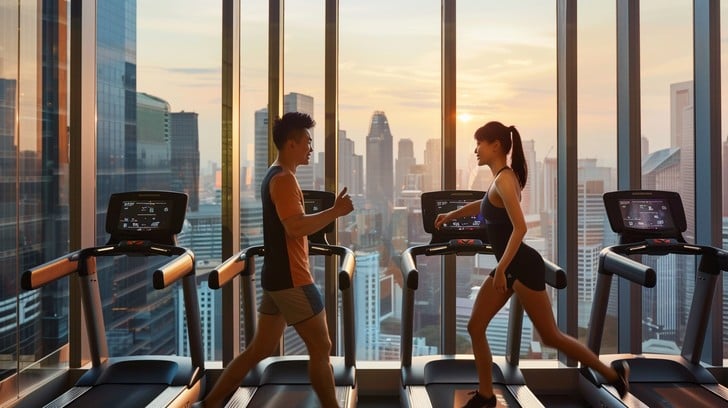
Modern fitness in Singapore is no longer confined to dumbbells and treadmills. Today’s gyms are adopting cutting-edge technologies to create more personalised, efficient, and motivating workout experiences. Whether you are a beginner, a busy professional, or a seasoned athlete, innovation can dramatically enhance how you train, recover, and stay accountable. For this reason, many people searching for the best gym singapore now consider technology integration as a top factor in their decision.
When used correctly, these digital and smart tools reduce guesswork, increase engagement, and ensure members get maximum results from their time spent at the gym. This article explores how technology is reshaping the local fitness landscape and what to look for in a facility that prioritises both progress and experience.
Why technology matters in modern fitness
The fitness world has evolved from a focus purely on aesthetics to one that values health data, recovery, and behavioural change. Technology bridges the gap by providing instant feedback and measurable results. Here are a few key reasons it matters:
-
Personalisation: Smart systems create tailored training plans based on your goals and performance data.
-
Efficiency: Apps and wearables cut down wasted effort by guiding you toward the most effective exercises.
-
Engagement: Gamified workouts, leaderboards, and progress charts keep members motivated.
-
Accessibility: Digital platforms extend the gym experience beyond the four walls with remote support.
-
Accountability: Trackers and connected equipment allow you and your coach to monitor consistency.
Smart equipment for precision training
Many leading gyms in Singapore now feature machines equipped with digital consoles and real-time feedback. These tools adjust resistance automatically, count reps, and monitor tempo, ensuring each set is performed correctly.
Benefits of smart machines
-
Reduced risk of injury through guided movement patterns.
-
Immediate performance tracking for strength and endurance gains.
-
Cloud storage of workout data, which lets you see progress over weeks and months.
-
Adaptive resistance that changes based on your form and strength output.
Functional training zones
Beyond machines, smart functional rigs with digital timers, built-in screens, and movement sensors allow members to train with kettlebells, ropes, or suspension systems while receiving feedback on form and time under tension.
Wearables and personal analytics
Fitness trackers, smart watches, and heart rate monitors are more than accessories. They play a central role in modern gym training by making invisible data visible.
Key data points that matter
-
Heart rate zones: Ensure cardio sessions are in the right range for fat burn or endurance.
-
Recovery scores: Track sleep, resting heart rate, and readiness to avoid overtraining.
-
Step counts and calorie burn: Maintain overall lifestyle activity beyond structured workouts.
-
Stress levels: Certain wearables measure heart rate variability, giving insights into recovery needs.
When synced with gym systems, this data helps trainers fine-tune your programme to match your daily readiness.
Virtual and on-demand classes
Hybrid fitness has become popular in Singapore, especially with members who juggle demanding schedules. Gyms that integrate on-demand video platforms allow you to train anytime, whether on-site or at home.
Advantages of virtual classes
-
Flexibility to join a workout even during odd hours.
-
Variety of formats such as yoga, HIIT, strength, or mobility at the touch of a button.
-
Replay and repeat options so you can master form at your own pace.
-
Seamless integration with in-person classes, letting you mix both formats.
Gamification for motivation
Motivation is often the hardest part of maintaining consistency. Gyms that employ gamification create playful yet powerful systems to keep members engaged.
Examples of gamified systems
-
Leaderboards for cycling or rowing classes where members compete in real-time.
-
Points or badges awarded for completing weekly challenges.
-
QR-coded stations where members scan to log completed exercises.
-
Group goals such as hitting a combined calorie burn target.
These systems help members stay excited about progress while forming bonds with their peers.
Artificial intelligence in coaching
AI has entered the fitness world as a silent but powerful coach. Algorithms can analyse form, track repetition quality, and recommend adjustments without human error.
AI-driven benefits
-
Instant corrections on posture during lifts.
-
Customised progression plans based on weekly performance.
-
Integration with nutrition apps for holistic health tracking.
-
24/7 availability through apps for when trainers are not present.
While AI is not a substitute for an experienced coach, it complements their expertise by providing reliable data.
Recovery technology that supports performance
Training is only half the story. Recovery determines how quickly your body adapts. Gyms with advanced recovery tools create an environment where members can sustain high performance without burnout.
Recovery tools to look out for
-
Compression therapy boots: Improve circulation and reduce muscle soreness.
-
Infrared saunas: Help with relaxation and recovery of tissues.
-
Cryotherapy chambers: Provide a quick reset for inflammation and fatigue.
-
Percussive therapy devices: Aid in breaking up tight fascia and improving blood flow.
Members who use these tools often notice better sleep, faster recovery, and reduced injury risk.
Mobile apps as central hubs
Most modern gyms now have proprietary apps that serve as command centres for members. These platforms often include:
-
Class booking systems with real-time availability.
-
Workout libraries with video demonstrations.
-
Nutrition tracking and meal suggestions.
-
Push notifications to encourage attendance.
-
Social features such as sharing progress with friends.
By keeping everything in one place, the app creates a seamless experience that connects daily life with training goals.
Integration with lifestyle
Technology in fitness does not stop at the gym door. The best results come when your routines integrate smoothly with your broader lifestyle.
-
Workplace wellness: Some gyms partner with corporations, offering app-based challenges for employees.
-
Nutrition tracking: Sync meal plans with your wearable for a clearer view of energy balance.
-
Community engagement: Virtual communities create spaces where members can ask questions, share progress, and celebrate wins.
-
Travel continuity: Access to on-demand classes ensures no disruption during business trips.
How True Fitness Singapore reflects this innovation
Members increasingly choose facilities that combine variety, coaching, and smart systems. At True Fitness Singapore, many of these features are integrated into daily training environments, making it easier for busy individuals to track progress, recover faster, and stay consistent over time. By leveraging both human expertise and technology, members gain a comprehensive fitness experience that adapts to modern needs.
Frequently Asked Questions
Q. Are technology-driven workouts suitable for beginners
Ans. Yes, in fact they are often safer because machines and apps provide clear guidance on form, pace, and resistance. Beginners also benefit from immediate feedback that prevents common mistakes.
Q. What should I do if I feel overwhelmed by too much tech in the gym
Ans. Start small by using just one feature, such as a wearable to track heart rate. Once you are comfortable, add other tools like booking apps or smart machines gradually.
Q. Does relying on technology reduce the need for a human trainer
Ans. Not at all. Technology enhances the trainer’s ability to personalise programmes. A trainer can interpret the data, add context, and adapt sessions based on your unique lifestyle.
Q. How do I protect my data when using gym apps and wearables
Ans. Choose gyms that are transparent about data policies and only connect your device to official apps. Regularly update passwords and avoid sharing sensitive health data outside trusted platforms.
Q. Can I still achieve results without using these innovations
Ans. Absolutely. Traditional training methods still work, but technology accelerates progress by offering clearer tracking, stronger accountability, and additional motivation. The key is to combine both approaches in a way that suits your comfort level.
Q. What if I travel often for work
Ans. Many gyms now provide on-demand classes and remote app support, so you can continue training anywhere. Pair this with a portable fitness kit like resistance bands for uninterrupted progress.
Q. How do gamified workouts help people stay consistent
Ans. Gamification creates a sense of fun and achievement. Competing in challenges or earning badges provides extra motivation, particularly on days when energy is low. Over time, this strengthens consistency.
Q. Are recovery technologies safe for everyone
Ans. Most are safe when used correctly, but it is best to consult a trainer or physiotherapist if you have medical conditions. Start with shorter sessions and monitor how your body responds before extending use.
