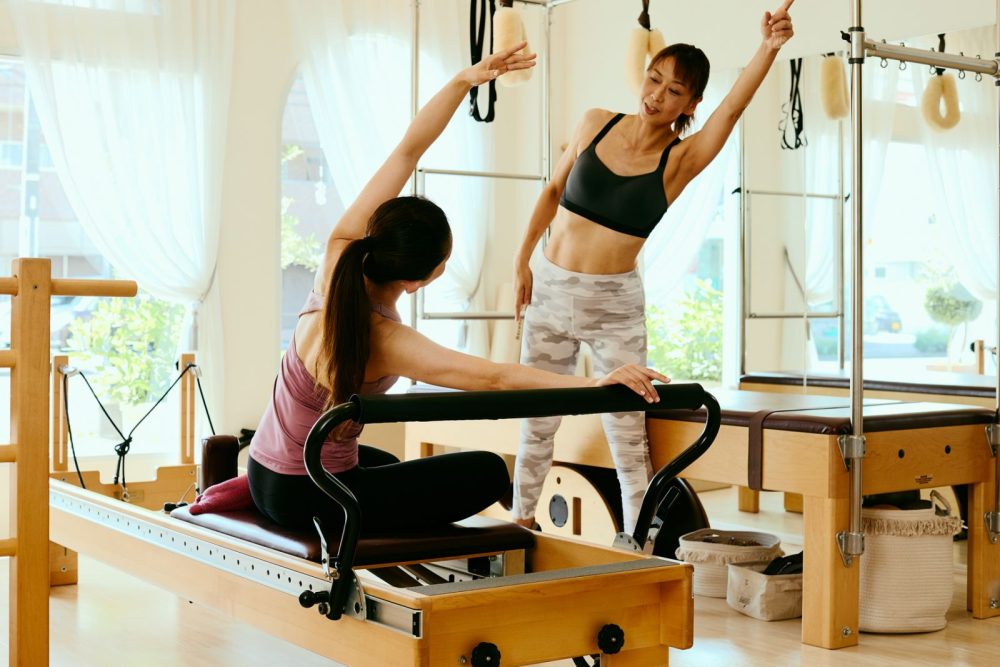
Pilates has long been respected for its ability to build strength, flexibility, and mind-body awareness. As lifestyles in Singapore become increasingly digital, technology is reshaping how people approach their wellness routines. From online bookings to posture-correcting devices, the modern Pilates experience is no longer limited to the studio floor. With the integration of digital innovation, pilates singapore has become more accessible, personalised, and engaging for individuals at all levels.
The Rise of Digital Fitness Integration
The fitness industry in Singapore has seen a surge in digital solutions that make Pilates more adaptable to busy schedules. Online class booking systems and mobile apps allow practitioners to manage their sessions easily. Beyond scheduling, technology has introduced tools that personalise fitness experiences based on an individual’s progress and goals.
For many in Singapore who balance demanding work commitments, this integration removes barriers and encourages consistent practice.
Wearable Technology for Posture and Performance
Wearables have revolutionised how individuals monitor their Pilates performance. Smartwatches and fitness trackers now capture heart rate, calories burned, and activity duration during classes. More advanced devices even provide feedback on breathing and posture, two critical elements of Pilates practice.
Benefits of wearables in Pilates include:
-
Tracking Progress: Data allows practitioners to measure improvements in endurance and strength over time.
-
Posture Correction: Sensors can alert users when their alignment is off, reducing injury risks.
-
Motivation: Achieving daily or weekly activity goals encourages long-term consistency.
Virtual Classes and Online Communities
Technology has made Pilates more inclusive by breaking geographical barriers. Virtual classes allow individuals to practise from the comfort of their homes while still receiving professional guidance. Online communities built around these classes create supportive environments where participants share tips, progress, and encouragement.
In Singapore, where commuting time can be significant, virtual options provide flexibility without compromising quality. Many practitioners now combine in-person sessions with online ones to maintain consistency even during travel or busy weeks.
Smart Equipment for Enhanced Training
Pilates equipment such as reformers and chairs has also embraced technology. Smart reformers now feature built-in sensors that measure resistance, track repetitions, and record movement quality. This data-driven approach ensures that exercises are performed with precision and safety.
Advantages of smart equipment include:
-
Real-time adjustments for resistance levels
-
Performance tracking for targeted progress
-
Personalised feedback for injury prevention
Such innovations make Pilates not only more interactive but also safer, especially for beginners or those recovering from injuries.
Mobile Applications for Guided Practice
Mobile apps dedicated to Pilates have grown in popularity, providing guided routines that can be followed anywhere. These apps often include video demonstrations, progress trackers, and personalised recommendations. For Singaporeans with limited time, having a digital instructor in their pocket helps integrate Pilates into daily life.
Some apps also offer meditation and mindfulness exercises, complementing the mental health benefits of Pilates and creating a complete wellness ecosystem.
Artificial Intelligence in Pilates Coaching
Artificial Intelligence (AI) is entering the Pilates landscape by offering real-time coaching through motion tracking. Using a smartphone or webcam, AI systems analyse body movement and provide instant corrections. This reduces the risk of misalignment while allowing practitioners to refine their form outside the studio.
AI-driven coaching is particularly useful for beginners, as it gives them confidence to practise independently without compromising technique.
Data-Driven Insights for Personalised Wellness
Technology now allows Pilates studios to gather insights into their clients’ progress. By analysing attendance, performance data, and individual preferences, studios can recommend tailored class structures or additional support. This personalised approach ensures that participants are continuously challenged while avoiding plateaus.
For clients, having measurable data on their improvements builds motivation and long-term engagement.
How Studios in Singapore Are Embracing Technology
Studios across Singapore have started to adopt hybrid models that combine in-person expertise with digital convenience. Online booking platforms, livestream sessions, and app-based progress tracking are now standard. Smart reformers and wearables are gradually being integrated into training for those who prefer a data-rich fitness journey.
Studios that leverage these innovations offer clients more than just a workout. They create an environment that blends tradition with modern tools, ensuring that Pilates remains relevant to today’s tech-savvy population. One such example is Yoga Edition, which incorporates structured Pilates programmes that balance technique, personal attention, and convenience for modern lifestyles.
The Future of Pilates with Technology
Looking ahead, technology is likely to deepen its role in Pilates practice. Virtual reality (VR) classes may transport practitioners into immersive environments that enhance focus and motivation. Augmented reality (AR) overlays could provide instant feedback on alignment during home practice. These innovations will make Pilates even more interactive, ensuring that individuals remain engaged while receiving the benefits of proper technique.
Practical Tips for Using Technology in Pilates
For those new to integrating technology into their Pilates routine, simple steps can make the process smoother:
-
Use wearables to track sessions and monitor improvements.
-
Try a mix of virtual and in-person classes to enjoy both flexibility and hands-on guidance.
-
Experiment with apps for short guided routines during busy workdays.
-
Invest in posture-tracking devices if you struggle with alignment.
FAQ on Technology and Pilates in Singapore
Q1. Is it necessary to use technology for Pilates, or can I stick to traditional practice?
Technology is not required but can enhance your experience. Traditional Pilates remains effective, while technology provides additional support, data, and convenience.
Q2. Do smart reformers and devices replace instructors?
No, they complement rather than replace instructors. Human guidance is still essential for understanding technique, while technology adds feedback and motivation.
Q3. Can virtual Pilates classes be as effective as studio sessions?
Yes, when guided by professional instructors, virtual classes can be very effective. However, combining both formats often produces the best results.
Q4. How affordable is tech-integrated Pilates in Singapore?
Costs vary depending on the tools used. While smart equipment can be more expensive, mobile apps and wearables provide cost-effective ways to enhance practice.
Q5. Will AI coaching eventually replace physical instructors in Pilates?
AI is useful for form correction and accessibility but cannot replace the personalised adjustments, empathy, and expertise of human instructors. It works best as a supportive tool.
