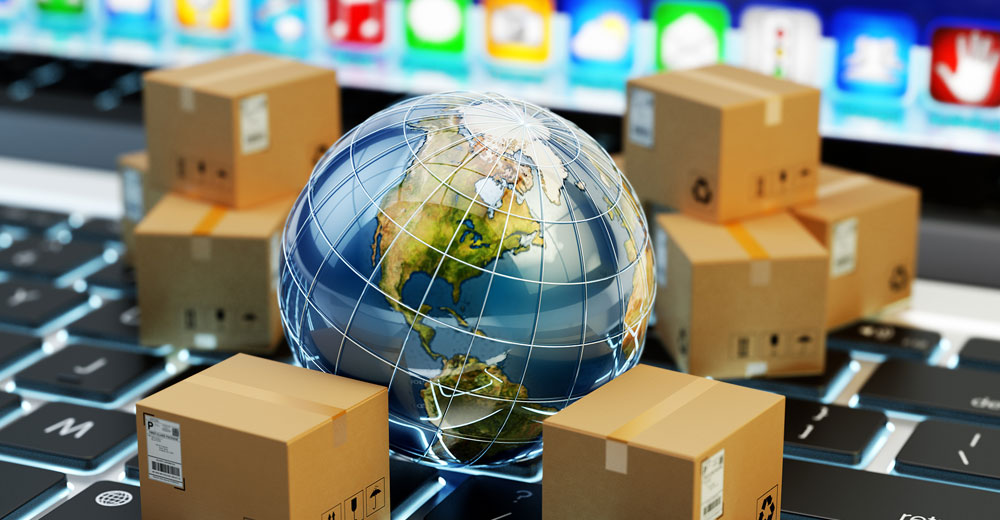
Ecommerce, once considered a convenient alternative to traditional shopping, has now become the backbone of global commerce. From small neighborhood businesses setting up online storefronts to multinational corporations executing billion-dollar digital strategies, the ecommerce landscape has transformed into a dynamic ecosystem powered by technology, customer expectations, and innovation. Today, ecommerce is no longer just about buying and selling goods online—it is about creating seamless experiences, leveraging data, and reshaping how commerce functions at every level.
In this article, we’ll explore the evolution of ecommerce, the factors driving its growth, the challenges it faces today, and the future trends that are set to redefine it in the years to come.
The Evolution of Ecommerce
Ecommerce began in the mid-1990s, when the internet started to take root in households. Early platforms focused on basic listings, where buyers could browse and make simplified transactions. Payment systems were limited, product availability was narrow, and delivery timelines were unreliable compared to the brick-and-mortar experience. However, customers quickly realized the convenience of shopping without leaving home.
Over the next two decades, the sector matured dramatically:
-
2000s: Increased trust in online payments and faster internet gave rise to giants like Amazon and eBay.
-
2010s: The rise of smartphones and mobile apps shifted shopping from desktops to handheld devices, making ecommerce more personal and accessible.
-
2020s: The COVID-19 pandemic fast-tracked ecommerce adoption, solidifying it as a primary sales channel even for industries that had been reluctant to embrace digital.
Today, ecommerce isn’t just an option—it’s an expectation. Businesses that don’t participate in the digital market risk becoming obsolete.
The Driving Forces Behind Ecommerce Growth
Several factors fuel the ever-expanding ecommerce industry:
1. Changing Consumer Behavior
Modern buyers value convenience, speed, and personalization. They expect seamless checkout processes, curated recommendations, and delivery options that fit into their busy lifestyles.
2. Global Reach
Unlike physical stores, ecommerce knows no geographical boundaries. A local artisan can sell handmade crafts to a customer across the globe, erasing traditional barriers to expansion.
3. Technological Advancements
From AI-powered chatbots to advanced payment gateways, technology has made ecommerce more secure, intelligent, and efficient. Machine learning algorithms can predict purchasing habits and customize shopping experiences with uncanny accuracy.
4. Social Media Influence
Platforms like Instagram, TikTok, and Facebook have become powerful ecommerce engines. With shoppable posts and integrated storefronts, social commerce is creating a new form of digital window shopping that blends content and commerce seamlessly.
5. Logistics and Supply Chain Innovation
Same-day deliveries, real-time tracking, and advanced warehousing solutions have made online shopping as reliable—sometimes even more so—than visiting a physical store.
Challenges in the Ecommerce Landscape
While ecommerce is thriving, it faces notable challenges that businesses must navigate carefully:
-
Cybersecurity Risks: With digital transactions rising, so do concerns about data breaches and identity theft. Trust remains fragile, and companies must invest heavily in securing customer information.
-
Saturated Markets: The sheer number of ecommerce startups has created intense competition. Businesses must differentiate themselves through unique products, branding, or customer service excellence.
-
Supply Chain Disruptions: Global events such as the pandemic or geopolitical tensions highlight how fragile supply networks can be. Delays impact customer satisfaction and revenue alike.
-
Sustainability Concerns: Ecommerce’s reliance on packaging, returns, and global shipping sparks environmental worries. Companies must find greener solutions to retain eco-conscious customers.
-
Digital Exclusion: While ecommerce is booming in developed economies, regions with poor internet penetration or low financial inclusion are yet to fully benefit from it.
Key Trends Shaping the Future of Ecommerce
As we look forward, ecommerce will continue to innovate. The following trends are especially influential:
1. Personalization at Scale
Consumers no longer want generic shopping experiences. AI-driven personalization will refine everything from product recommendations and search results to targeted promotions, creating experiences that feel custom to each buyer.
2. Voice Commerce
Smart devices are opening new shopping pathways. Voice-activated purchases through assistants like Alexa and Google Assistant are making the checkout process hands-free and faster than ever.
3. Augmented Reality (AR) Shopping
AR is bridging the gap between physical and digital. Shoppers can now visualize how a piece of furniture fits in their living room or how a pair of sunglasses looks on their face before buying.
4. Sustainable Ecommerce
From biodegradable packaging to carbon-neutral delivery options, sustainability will no longer be optional but rather a deciding factor for many customers. Companies that ignore it risk losing relevance.
5. Cross-Border Expansion
Currency conversion tools, localized websites, and international logistics solutions are making cross-border shopping smoother. Brands are now expanding to markets far beyond their home turf, tapping into a truly global economy.
6. Blockchain and Cryptocurrency
Decentralized payment systems promise secure, transparent transactions. While still in early adoption, their potential in ecommerce could revolutionize financial trust and reduce intermediary costs.
How Businesses Can Thrive in Ecommerce
Businesses looking to establish themselves or strengthen their online presence must evolve with customer expectations and market realities. Some essential strategies include:
-
Build Omnichannel Experiences: Ensure seamless integration between online and offline touchpoints for consistent customer journeys.
-
Invest in Data Analytics: Data is the oil of ecommerce. Understanding customer behavior enables smarter decisions and more loyal shoppers.
-
Enhance Mobile-First Design: With most transactions now occurring on smartphones, mobile optimization is non-negotiable.
-
Focus on Trust and Transparency: Clear policies, secure checkouts, and responsive customer service build credibility in a crowded market.
-
Prioritize Customer Experience: Beyond products, experience is the differentiator—ease of checkout, fast delivery, and empathetic support drive repeat business.
Conclusion: The Era of Connected Commerce
Ecommerce has evolved from being an alternative shopping channel into a fundamental driver of modern economies. It empowers entrepreneurs, expands consumer reach, and creates new opportunities previously unimaginable in traditional commerce. At the same time, it challenges businesses to keep up with technology, earn customer trust, and rethink sustainability.
The future of ecommerce will not just be defined by transactions but by experiences, relationships, and innovations that connect the digital with the human. Those who embrace adaptability, customer-centricity, and responsible innovation will not only survive in this landscape but will also flourish in it.
