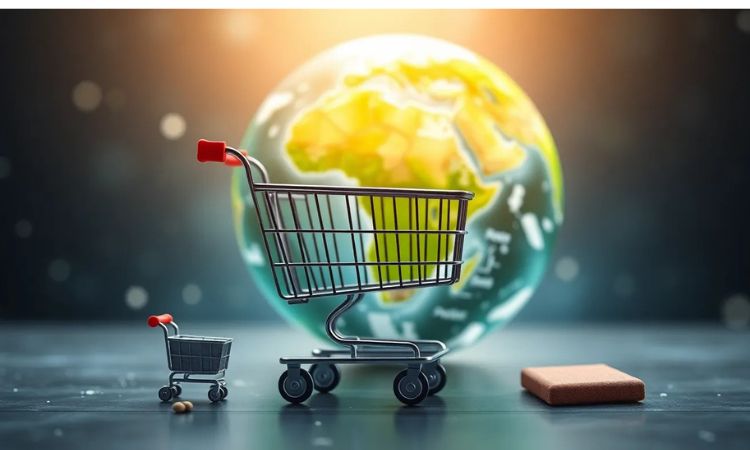
The last decade has witnessed an unprecedented transformation in consumer behavior, with eCommerce standing at the core of this paradigm shift. What was once considered a convenient alternative to traditional retail has evolved into a sophisticated, global marketplace reshaping the very fundamentals of how business is conducted. Today, eCommerce is no longer about simply listing products online; it is about building experiences, nurturing trust, and creating a seamless bridge between technology, convenience, and customer needs.
The Evolution of eCommerce
The journey of eCommerce began with modest online catalogues and rudimentary transaction systems. In its early stages, consumers hesitated to trust digital payments, while businesses grappled with logistical limitations. Over the years, however, advancements in secure payment gateways, faster shipping, and intuitive interfaces shifted the tide.
The rise of smartphones spearheaded the second wave of growth. Mobile-first experiences, intuitive app ecosystems, and one-click checkout mechanics redefined accessibility. Combined with social media integration, eCommerce became an omnipresent force, weaving itself into the fabric of both personal and professional lives.
Today, we find ourselves in the age of intelligent eCommerce, where artificial intelligence, predictive analytics, and data-driven personalization are not luxuries but necessities.
Key Drivers of Change in eCommerce
The rapid expansion of the online marketplace is not accidental. Several pivotal trends have accelerated its adoption worldwide:
-
Convenience Redefined: Shopping at any hour, from any location, broke the limitations of physical store timings and geographies.
-
Data-Driven Experiences: Every click, search, and purchase provides insights that brands now leverage to forecast trends and offer tailored recommendations.
-
Global Reach: Small enterprises can achieve international visibility through digital platforms, democratizing opportunities that were once reserved for large corporations.
-
Secure Digital Payments: Improvements in fraud detection and secure gateways have reinforced consumer confidence in online shopping.
-
Logistics & Supply Innovations: Faster shipping, efficient returns, and smart inventory systems continue to enrich customer experiences.
The Human Touch in a Digital World
Often overlooked in discussions about eCommerce is the psychology of trust. While technology alleviates friction, it is the human factor that builds loyalty. A smooth checkout process is valuable, but it is customer service support, thoughtful design, and post-purchase engagement that ensure long-term patronage.
Brands that integrate empathy into their processes—whether through personalized communication, ethical supply practices, or transparent policies—inevitably position themselves as trusted companions, not just providers of goods.
Emerging Trends Shaping the Future of eCommerce
The eCommerce industry is in constant flux, responding swiftly to technological innovations and global consumer expectations. Some of the most promising trends include:
1. Personalization Through AI
Artificial intelligence now enables predictive recommendation systems that anticipate customer desires even before they consciously identify them. From curated product collections to AI-powered chatbots offering real-time support, personalization is no longer optional—it is expected.
2. Voice Commerce & Smart Assistants
With the rise of devices like Alexa, Google Assistant, and Siri, the way consumers shop is transforming. Conversational queries like “Order my favorite coffee beans” are becoming everyday realities, pushing businesses to optimize for voice-friendly platforms.
3. AR-Powered Shopping Experiences
Augmented reality bridges the gap between physical and virtual shopping by allowing customers to virtually try products. From testing how furniture looks in a living room to visualizing cosmetics on personal skin tones, AR has revolutionized the decision-making process.
4. Sustainability as a Differentiator
Modern consumers, particularly younger demographics, are increasingly favoring brands that champion sustainable practices. Eco-friendly packaging, ethical sourcing, and transparent supply chains are no longer bonus features but decisive factors in brand loyalty.
5. Social Commerce Integration
Platforms such as Instagram, TikTok, and Pinterest are blurring the line between content and commerce. Shoppable posts and integrated interactive catalogues are enabling impulse purchases within seconds of product discovery.
Challenges in the eCommerce Landscape
The promise of eCommerce is vast, yet the industry faces a series of challenges that require strategic foresight:
-
Overcrowded Marketplaces: The ease of setting up online stores has led to hyper-competition, making differentiation difficult.
-
Cybersecurity Risks: As digital transactions increase, so do the risks of data theft and security breaches. Safeguarding customer trust is a constant battle.
-
Customer Retention: While attracting new buyers is vital, genuine profitability lies in nurturing repeat customers—a goal that requires consistent and innovative engagement strategies.
-
Operational Complexities: Cross-border commerce introduces challenges in logistics, taxation, and regulatory compliance.
The New Era of eCommerce Businesses
What distinguishes the eCommerce platforms of tomorrow from those of yesterday is their ability to merge humanity with technology. Businesses can no longer rely solely on functional websites or discounted prices. They must craft experiences that resonate deeply with individual values, aspirations, and lifestyles.
A simple transaction transforms into something richer when customers feel connected to the story behind the product. Consumers want to know whether their purchase supports local artisans, reduces environmental impact, or aligns with their ethical standards. The brands that invest in these narratives are the ones that transition from being mere providers to becoming lifestyle companions.
The Road Ahead
Looking forward, eCommerce stands as a catalyst for global economic growth. The rise of hyper-local delivery systems, smart warehouses, and blockchain-led transparency will continue refining the way goods move and consumers make decisions. Traditional retail will not vanish but will increasingly merge with digital ecosystems, leading to hybrid models where online discovery drives offline experiences and vice versa.
For entrepreneurs and established corporations alike, the central challenge lies in staying ahead of the curve—embracing innovation while maintaining authenticity. This evolving balance between efficiency and empathy will define the winners of the digital marketplace revolution.
Conclusion
ECommerce is no longer a mere convenience; it is a global movement reshaping modern commerce. It is dynamic, increasingly intelligent, and deeply personal. From personalization powered by artificial intelligence to sustainable practices demanded by socially conscious consumers, the industry is destined for continual reinvention.
Businesses that approach eCommerce not simply as a channel but as a comprehensive ecosystem of engagement, trust, and value creation will inevitably thrive. As technology advances and human expectations evolve, the intersection of the two will define the next era of commerce—one that is as innovative as it is human-centered.
