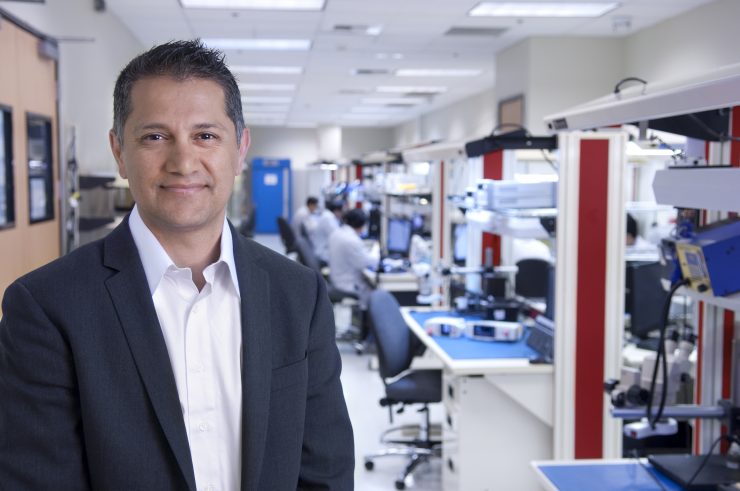
The healthcare system is complex, filled with technical language, procedures, and decisions that can overwhelm even well-informed patients. Health literacy, the ability to find, understand, and apply health information, has become essential for people to navigate this landscape. Joe Kiani, Masimo and Willow Laboratories founder, recognizes that advancements in healthcare only achieve their purpose when patients can use them effectively. Without a foundation of knowledge, many people are left behind, unable to fully benefit from the tools designed to improve their lives.
This gap between medical advances and patient understanding contributes to disparities in outcomes. When patients lack the skills to interpret test results, follow care plans, or evaluate digital health tools, they face greater risks of mismanagement and avoidable complications. Health literacy bridges this divide by equipping people with the ability to ask better questions, make informed choices, and hold institutions accountable.
The Link Between Literacy and Outcomes
Research has repeatedly shown that higher health literacy is associated with better health outcomes. Patients who can interpret prescriptions, track symptoms, and understand treatment options are more likely to adhere to care plans and avoid costly complications. For chronic diseases such as diabetes, heart disease, and asthma, education has been proven to improve control and reduce hospital visits. These benefits extend beyond the individual, lowering the strain on healthcare systems as a whole.
Conversely, low health literacy contributes to medication errors, missed screenings, and delayed interventions. According to the National Assessment of Adult Literacy, nearly nine out of ten adults in the United States struggle with using health information in some way. This statistic highlights how essential it is for education efforts to become a priority not only in clinics but also in schools, workplaces, and communities.
Innovation Requires Engagement
Healthcare innovation has brought about new tools such as telemedicine, wearable monitors, and genetic testing. These technologies hold tremendous promise, but they require patients to understand how to use them responsibly and interpret the data they produce. Without health literacy, new devices risk becoming difficult to interpret or misapplied, reinforcing disparities instead of reducing them.
That is why education and innovation must go hand in hand. Patients who understand what data means, when to seek help, and how to maintain privacy are better prepared to use emerging technologies to their advantage. Health literacy is not a separate goal from innovation, but the bridge that allows innovation to achieve its intended impact.
Empowering Preventive Care
Preventive care depends heavily on how well people understand their own health. Screenings, vaccinations, and lifestyle changes require individuals to recognize risk factors and pay attention to early warning signs. Education enables them to see preventive care not as optional but as a powerful tool to avoid costly and painful interventions later in life.
Joe Kiani, Masimo founder, has emphasized through his career that true innovation in health should focus on anticipating risks early and reducing harm before it escalates. That approach highlights why preventive health literacy is so important. When patients are informed and supported, they are better prepared to adopt lasting habits, take advantage of early interventions, and engage with systems designed to keep them well.
Health Literacy and Equity
Access to education is not evenly distributed, and disparities in literacy mirror broader inequalities. Communities with limited resources often face higher rates of low health literacy, which compounds barriers to care. Language differences, lack of culturally sensitive materials, and digital divides all contribute to gaps in knowledge, without targeted efforts to close these divides, innovation risks benefiting only those already positioned to succeed.
Addressing health literacy from an equity perspective means investing in accessible communication. It includes plain-language materials, multilingual resources, and community-driven outreach. By ensuring that every group has the tools to understand and use health information, healthcare systems honor the principle that quality care must be available to all, not just to the privileged.
Digital Health and Patient Education
The expansion of digital health platforms has created new opportunities and challenges for literacy. Mobile apps and wearable devices generate constant streams of data, but without clear guidance, patients may feel overwhelmed or interpret results incorrectly. Education on how to use digital tools safely and effectively is critical to ensure they serve as assets rather than barriers to confidence.
Healthcare providers and developers share responsibility in this effort. Clear design, user-friendly interfaces, and ongoing education must be built into digital solutions. Joe Kiani, Masimo founder, is known for prioritizing usability and access so technology truly serves the people who depend on it. That approach reinforces the link between innovation and health literacy, ensuring that new tools are not only advanced but also practical for everyday life.
Building a Culture of Education
Improving health literacy requires more than placing printed materials distributed in clinics. It calls for a cultural shift where education is woven into every interaction. Schools can incorporate health education into curricula, employers can provide wellness programs, and healthcare providers can commit to clear communication at every visit. By embedding health literacy into daily life, communities become more resilient and better prepared to face health challenges.
Policy can also play a role. Government support for public education campaigns, funding for community health workers, and requirements for clear labeling on medications all contribute to higher literacy rates. These efforts demonstrate that health literacy is not simply an individual responsibility but a shared priority that benefits everyone.
The Future of Care Depends on Knowledge
As healthcare grows more sophisticated, patients will be asked to make increasingly complex decisions. From interpreting genetic risk scores to managing connected devices, the future of care depends on a foundation of knowledge that allows people to navigate choices confidently. Innovation without education risks leaving behind those who need help most.
Health literacy ensures that people are not passive recipients of care but active participants in their health journeys. By prioritizing education at every level, from individual conversations to national policy, society can build an effective, equitable, and forward-looking healthcare system. The future of care will belong to those who combine technological advancement with the strength of an informed public.
