Introduction: The New Town Square
A mere two decades ago, few could have predicted that human connection would be so profoundly reimagined by a handful of platforms built on lines of code. Social media — that sprawling, ever-shifting landscape of likes, shares, and hashtags — has become the digital agora of our age. It is a space where billions gather daily to exchange ideas, showcase creativity, build businesses, and form communities that defy geography. Yet, alongside its undeniable allure, social media is a force that invites reflection — on its power, its pitfalls, and its potential to shape the future of how we relate to one another.
A Brief History: From Friend Requests to Global Movements
The roots of social media can be traced back to early internet forums and chat rooms where niche communities exchanged messages on rudimentary interfaces. The turn of the millennium, however, brought a seismic shift. Platforms like Friendster and MySpace laid the foundation, but it was Facebook, launched in 2004, that redefined how we perceive and perform our digital selves.
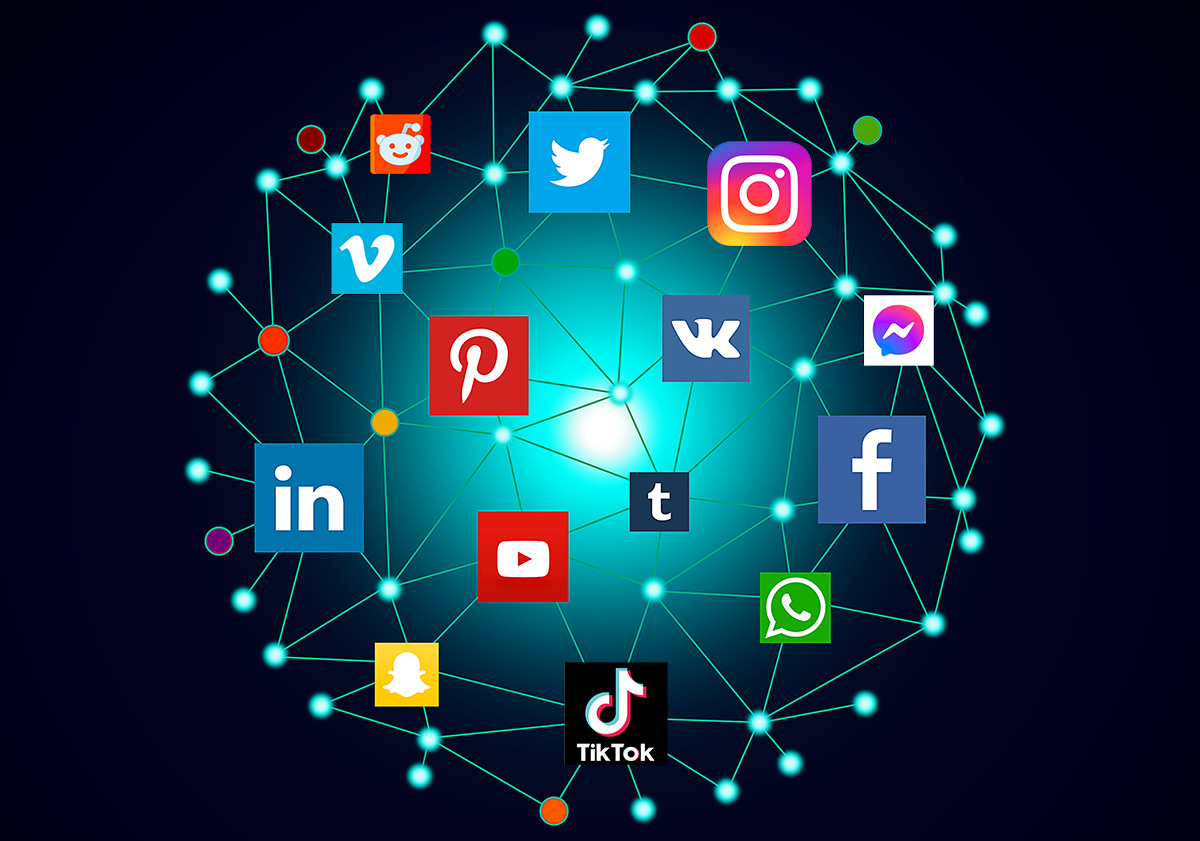
The ensuing years saw a rapid expansion. Twitter distilled conversation into 140 characters, igniting real-time discourse. Instagram turned ordinary snapshots into curated visual stories. LinkedIn professionalised online networking. TikTok blended short-form video with algorithm-driven discovery, capturing the ephemeral attention of younger generations.
What started as a way to reconnect with old friends has evolved into a vast ecosystem influencing everything from politics to pop culture.
The Anatomy of Social Media: What Keeps Us Hooked
Social media thrives on a delicate balance of technology, psychology, and design. At its core, these platforms offer three fundamental draws:
-
Connection: The chance to maintain relationships and discover new communities.
-
Expression: A digital stage for creativity, opinion, and self-branding.
-
Validation: Instant feedback through likes, comments, and shares, feeding our innate social instincts.
This potent mix keeps us scrolling through endless feeds, where carefully tuned algorithms learn our preferences and shape our digital environment, often in ways that feel both personal and eerily precise.
The Power and Promise: A Catalyst for Change
Despite the frequent criticism it attracts, social media has been a powerful tool for good. It has amplified voices once silenced, sparked grassroots activism, and bridged divides once thought insurmountable.
Consider these transformative roles:
-
Awareness and Advocacy: From #MeToo to #BlackLivesMatter, viral hashtags have driven global conversations and tangible change.
-
Education and Information: Expert threads, live sessions, and knowledge-sharing groups democratise access to information across disciplines.
-
Business and Innovation: Brands, creators, and small entrepreneurs use social media to reach audiences without needing vast advertising budgets.
-
Community and Belonging: People with rare conditions, niche interests, or marginalised identities find support networks that might not exist offline.
When harnessed thoughtfully, these platforms can shrink the world and spark movements that ripple far beyond the screen.
The Shadows: Challenges in the Age of Constant Connection
Yet, social media’s influence is not an unqualified blessing. Its omnipresence has brought unintended consequences that society is still learning to navigate.
The Illusion of Connection
While we are more connected than ever, critics argue that social media often delivers a veneer of intimacy without depth. Scrolling through highlights of others’ lives can breed comparison and loneliness rather than authentic community.
Misinformation and Echo Chambers
The same algorithms that delight us with relevant content can trap us in echo chambers, reinforcing biases and amplifying false information. The rapid spread of conspiracy theories and fake news has real-world consequences, from vaccine hesitancy to political unrest.
Mental Health Impacts
Studies increasingly link excessive social media use to anxiety, depression, and poor self-esteem, especially among young users. The pressure to curate a ‘perfect’ online identity can distort self-image and strain mental well-being.
Privacy Erosion
Every click, like, and share generates data — a valuable commodity in the digital age. While platforms profit from targeted advertising, users grapple with the implications of surveillance, data breaches, and the commodification of personal information.
The Evolving Landscape: Trends Shaping Social Media’s Future
As technology advances and user expectations shift, social media is undergoing constant reinvention. Emerging trends hint at where this digital frontier is headed.
Short-Form and Ephemeral Content
TikTok’s meteoric rise and Instagram’s Reels signal our appetite for bite-sized, authentic content. Stories and disappearing posts reflect a desire for more spontaneous, less curated glimpses into daily life.
Decentralisation and New Models
Blockchain-based social platforms aim to put ownership and control back in the hands of users, challenging traditional advertising-driven models. This could usher in more equitable ways for creators to monetise their work.
Greater Emphasis on Well-Being
In response to mounting criticism, platforms are experimenting with features to curb addictive use — think screen time reminders, hidden like counts, and stricter content moderation policies.
Audio and Virtual Spaces
From Clubhouse’s audio chats to the rise of immersive virtual hangouts, the future of social media may increasingly blur the lines between social networking and shared, real-time experiences.
A Call for Digital Mindfulness
In many ways, social media reflects the best and worst of human nature. It is a mirror, magnifying our impulses, our creativity, and our longing for connection. As users, we share a collective responsibility to approach these spaces with awareness and intention.
-
Be conscious of time spent and the emotional effects of different platforms.
-
Cultivate diverse information sources to avoid echo chambers.
-
Prioritise real relationships beyond the feed.
-
Advocate for privacy and demand accountability from tech companies.
Conclusion: Navigating a Connected Tomorrow
Social media is here to stay, evolving alongside our culture and our technologies. It has rewritten the rules of influence, blurred the lines between public and private, and given ordinary people the power to broadcast their voices across the globe.
Its legacy will not be defined by algorithms or viral videos alone, but by how we choose to wield it — whether to divide or to unite, to distract or to inspire, to mask reality or to amplify truth. In the end, the story of social media is not just a story of platforms but of people — billions of us, connected by invisible threads, tasked with shaping the digital agora for generations yet to scroll.
